
Date of publication:
09/22/2026
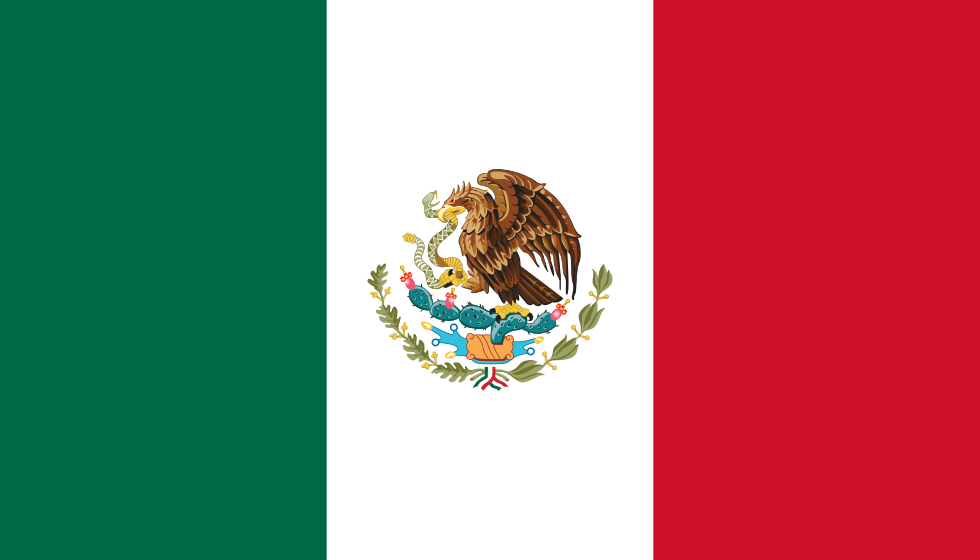
Mexico
Is the state a member of any international and regional governmental organisation that influence forcibly displaced persons issues?
Mexico is a member of a regional governmental organization that affects refugee affairs.
It is part of the Organization of American States (OAS).
Organization of American States (OAS):
-Governing instrument(s): The OAS operates under the Charter of the Organization of American States, which was signed in Bogotá, Colombia, on April 30, 1948.
-Areas of work: The OAS aims to promote peace, democracy, human rights, and development in the Americas. In the context of refugee affairs, the OAS works to address migration and refugee challenges through various mechanisms, including the Inter-American Commission on Human Rights (IACHR) and the Inter-American Court of Human Rights (IACtHR). It monitors and promotes compliance with human rights standards, including the rights of refugees and asylum seekers, among its member states.
-Membership: Mexico joined the OAS as a founding member on April 30, 1948.
It's worth noting that while the OAS plays a role in addressing regional refugee matters, its primary focus is broader in nature, encompassing various political, social, and economic issues within the Americas. Refugee affairs are also addressed by other international and regional organizations, such as the United Nations High Commissioner for Refugees (UNHCR), which has a global mandate on refugee protection and assistance.
Mexico is a member of the regional governmental organization known as the Central American Integration System (Sistema de la Integración Centroamericana - SICA). However, it's important to note that SICA's work primarily focuses on Central American integration and regional cooperation rather than specifically addressing refugee affairs. Nevertheless, SICA's efforts can indirectly impact regional refugee issues through its broader integration and cooperation initiatives.
-Central American Integration System (SICA):
-Governing instrument(s): The legal framework for SICA is established in the Protocol of Tegucigalpa to the Central American Integration System, signed on December 13, 1991.
-Areas of work: SICA aims to promote regional integration, cooperation, and development among its member states in Central America. Its areas of work include economic integration, trade facilitation, infrastructure development, environmental sustainability, security, and social development. SICA also addresses migration issues, including the protection of migrants' rights and the facilitation of regional migration flows.
-Membership: Mexico became an Extra-Regional Observer of SICA on June 29, 2011. As an observer, Mexico participates in SICA's meetings and activities but does not hold full membership status.
While SICA's primary focus is on regional integration and cooperation within Central America, its initiatives can have implications for migration, including refugees, by promoting dialogue and collaboration among member states to address shared challenges in the region. It is important to note that the primary international organization responsible for refugee affairs globally is the United Nations High Commissioner for Refugees (UNHCR), and Mexico works closely with UNHCR in addressing refugee issues both domestically and regionally.
Mexico is a member of the regional governmental organization known as the Intergovernmental Committee for Migration (ICM) in the regional conference framework of the Regional Conference on Migration (RCM).
-Intergovernmental Committee for Migration (ICM):
-Governing instrument(s): The ICM operates within the framework of the Regional Conference on Migration (RCM), which was established by the Declaration of Puebla in 1996.
-Areas of work: The ICM focuses on regional migration issues, including the protection and assistance of migrants, refugees, and asylum seekers. It promotes dialogue, cooperation, and the exchange of best practices among member states in the region. The ICM addresses a wide range of migration-related topics, such as migration governance, human rights, labor migration, irregular migration, and the social and economic integration of migrants. While it is not specifically dedicated to refugee affairs, it plays a significant role in addressing migration challenges that can include refugee populations.
Membership: Mexico joined the Intergovernmental Committee for Migration (ICM) as a member state.
Regional Conference on Migration (RCM):
-Governing instrument(s): The RCM operates based on the Declaration of Puebla, which was signed by participating countries in 1996, providing the framework for regional cooperation on migration issues.
Areas of work: The RCM serves as a platform for dialogue and collaboration on migration matters among its member states. It aims to enhance understanding, cooperation, and coordination among countries in the region to address migration challenges, including the protection of migrants' rights and the promotion of safe, orderly, and regular migration. The RCM provides a forum for sharing experiences, best practices, and policy recommendations to improve migration governance and respond to the needs of migrants and affected populations.
-Membership: Mexico is a member of the Regional Conference on Migration (RCM).
Mexico's involvement in the Intergovernmental Committee for Migration and the Regional Conference on Migration demonstrates its commitment to regional cooperation and dialogue on migration-related issues, including those impacting refugees and asylum seekers.
Mexico is a member of the regional governmental organization called the Mesoamerican Integration and Development Project (Proyecto de Integración y Desarrollo de Mesoamérica - PM). Although its focus is on regional integration and development rather than specifically on refugee affairs, it plays a role in addressing migration-related challenges, including those affecting refugees, within the Mesoamerican region.
-Mesoamerican Integration and Development Project (PM):
-Governing instrument(s): The PM operates based on the Declaration of Managua, signed by the member countries on June 22, 2007.
-Areas of work: The PM aims to promote regional integration, cooperation, and sustainable development among its member states in the Mesoamerican region. Its areas of work include economic integration, infrastructure development, environmental sustainability, social development, and the promotion of human rights. While the PM does not have specific programs or mechanisms solely dedicated to refugee affairs, it addresses migration issues as part of its broader regional integration efforts.
Membership: Mexico is a member of the Mesoamerican Integration and Development Project (PM).
-Mexico's participation in the Mesoamerican Integration and Development Project reflects its commitment to regional cooperation and collaboration on various issues, including migration. While the PM's primary focus is on integration and development, its initiatives can contribute to addressing migration challenges, including the protection and well-being of refugees, in the Mesoamerican region.
Mexico is a member of the regional governmental organization known as the Central American Commission for Migration (Comisión Centroamericana de Directores de Migración - OCAM). While its primary focus is on migration issues rather than specifically on refugee affairs, it plays a role in addressing regional migration challenges, which can include refugee populations.
-Central American Commission for Migration (OCAM):
-Governing instrument(s): The legal framework for OCAM is established in the Guatemala Agreement, signed on June 20, 1990.
-Areas of work: OCAM aims to promote regional cooperation and coordination on migration matters among its member states in Central America. Its areas of work include facilitating safe and orderly migration, protecting the rights of migrants, enhancing border management, combating human trafficking and smuggling, and fostering dialogue and cooperation among member countries. While it does not have specific programs or mechanisms solely dedicated to refugee affairs, it addresses migration challenges that can encompass refugee populations.
-Membership: Mexico joined the Central American Commission for Migration (OCAM) as a member state.
Mexico's membership in the Central American Commission for Migration reflects its commitment to regional cooperation and coordination on migration-related issues, including those affecting refugees. While OCAM's primary focus is on migration, its initiatives contribute to addressing the broader challenges and protection needs of migrants, including refugees and asylum seekers, in the Central American region